


By Mark Lester
As a graduate student at CU Denver and a former student at CU Boulder, I have been on Colorado campuses for the last five years, and I’ve observed that many, if not most, of my peers feel disenchanted with politics. They’re frustrated by a system built to ignore them and put their interests to the side. Many see themselves as observers, not participants, in a society that is growing less equal and less promising for them as they start their adult lives.
This November, however, the stakes are far too high for anyone, least of all young Coloradans, to be on the sidelines. Indeed, this year, students and young Coloradans are uniquely empowered to resist discrimination and injustice by preventing it from becoming state law. I’m calling on us to turn out for the November election and vote to reject Amendment 81, Proposition 134, and Proposition 135. We have to treat them as what they are: a direct threat to our future and the future of our state.
Amendment 81 would permanently change the Colorado Constitution to require state and local law enforcement to cooperate with ICE. If the policy passes, law enforcement would be forced to report people charged, not proven guilty, with certain crimes, or with a criminal history, to the federal Department of Homeland Security if they cannot immediately determine their immigration status.
Prop. 134 would ban trans people from participating in school sports from kindergarten through college and force schools across the state to adopt invasive gender check policies to enforce it.
Prop. 135 would interfere with a family’s ability to work with doctors to determine best-practice gender-affirming care options for their own kids. It could limit all healthcare providers’ ability to care for trans patients because of its vague language, which threatens the livelihood of practitioners across many specialties that have nothing to do with gender-affirming surgeries.
Consider what these harmful, vaguely written measures would mean in communities and on campuses across Colorado. Campus police, with whom students interact every day, would be deputized to serve ICE. Anyone who wants to play intramural sports with their friends would be forced to undergo gender checks that would lead to exclusion for trans students. Healthcare providers who students and their families trust to deliver safe, effective care would instead be forced to comply with a vague mandate that would limit their ability to deliver equal access and services for trans people.
If these measures pass, Colorado would become less affirming, less welcoming, and less safe – and our colleges and universities would be forced to participate in it.
I came to Colorado and stayed here for the same reasons many students chose it as their home – I knew Colorado was a place where I would always feel safe, comfortable, and affirmed for who I am. I also knew that Colorado was the kind of place where people I care about, including those who are transgender or part of the immigrant community, would be welcomed, not turned away. These measures would make our state the opposite of what we believed by enacting poorly written, vague, and hateful policies.
For those of us planning to build a life in Colorado, it’s no exaggeration to say our future is on the line, and the ballot, this November. These ballot measures are a crucial turning point for our state. Will our laws protect everyone, or will they be twisted to discriminate against a narrow slice of the population? Will we feel safe and protected on our campuses and in our communities, or will those institutions be weaponized against us? Will we resist authoritarianism coming from our national leaders, or will we participate in it?
Students and young Coloradans, you have the power and numbers to decisively answer these questions. Turn out to vote on November 3, or vote early. Vote No on Amendment 81, Prop. 134, and Prop. 135. Be a part of the future you want to see for yourself, your friends, your family, and your state.
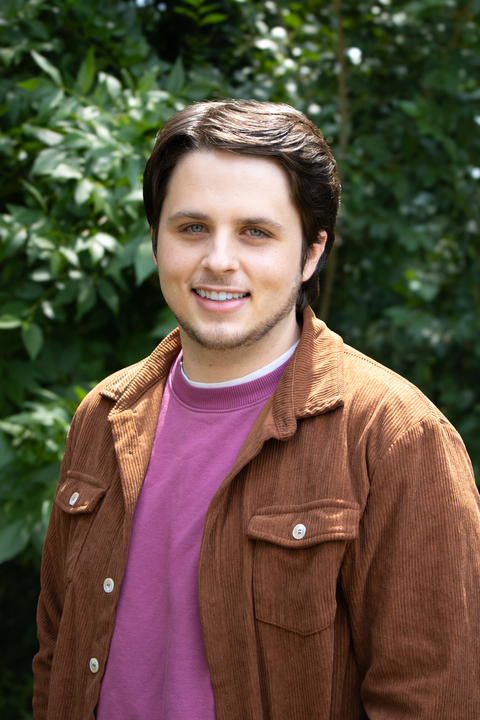
Mark Lester is a student at the University of Colorado Denver and a policy analyst at Rocky Mountain Equality.
