


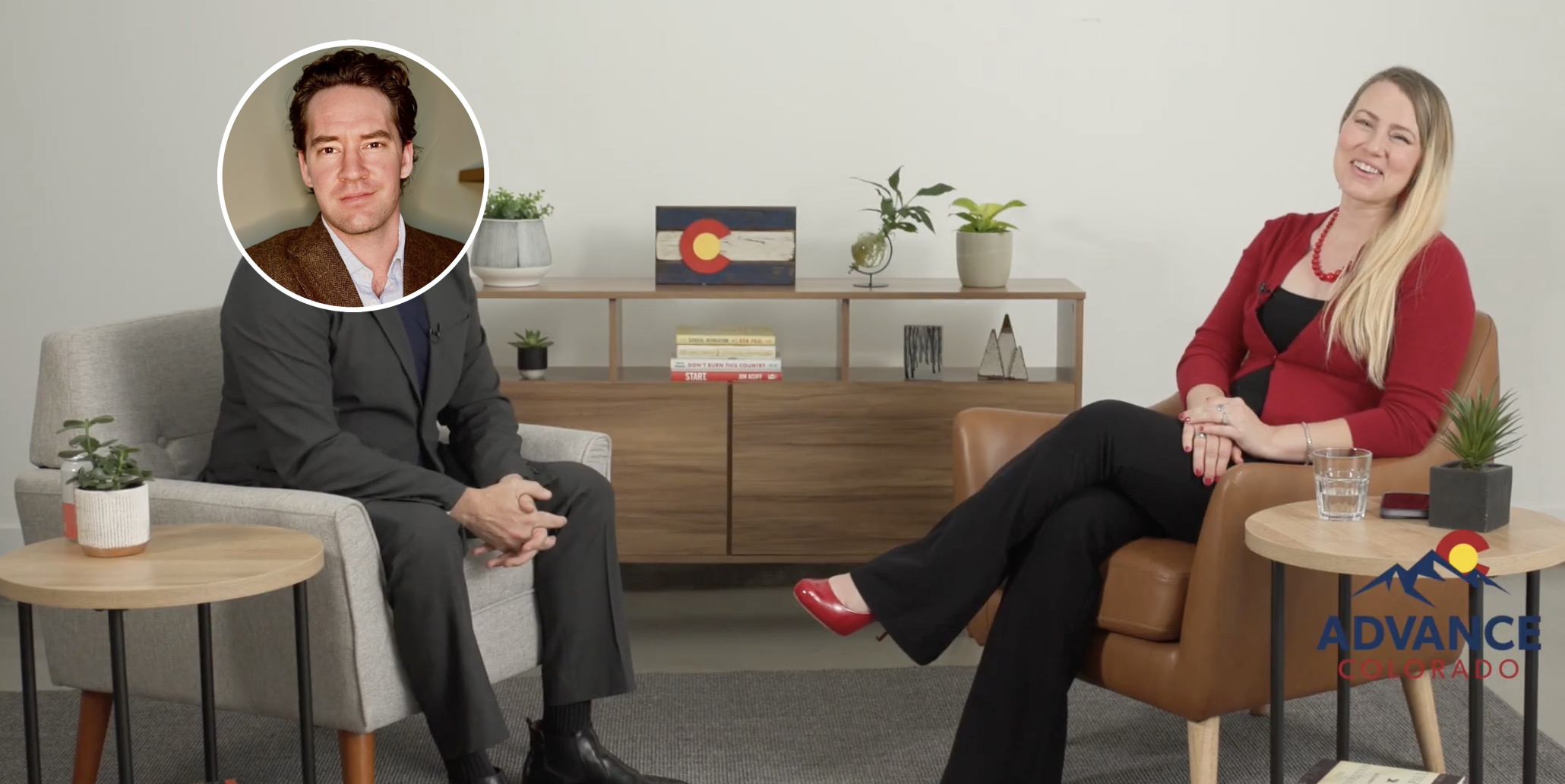
The spokesman for the campaign to enshrine a right to buy and sell a single product — natural gas — in Colorado’s constitution made an unusual argument on behalf of the fossil fuel: It’s cleaner than burning dung. He continued by comparing natural gas to other dirtier fuels, specifically coal, propane and butane.
Kit Pfeiffer, spokesman for the pro-Amendment 82 campaign, Energy Freedom Alliance of the Rockies, works for the Texas oil company X2 Resources. He gave this odd pitch on the podcast of the conservative group Advance Colorado, which filed Amendment 82 and paid for the signatures to get it on the ballot.
Advance Colorado’s Kristi Burton Brown began the exchange by characterizing natural gas, particularly some of Colorado’s gas, as so clean it hardly can be considered a fossil fuel.
Kristi Burton Brown: “I’d love —since you’re the expert on energy— for you to talk a little bit more about that clean aspect. People do say natural gas is a fossil fuel. Sure, it is, but I think there’s a difference in coal and natural gas. So you know more, but now I’ll tell you, I’ve read that one of the basins in Colorado produces some of the most clean natural gas. Talk about that. Just let us know about how clean is it? What should people be aware of?”
Kit Pfeiffer: “Yeah, sure. It is a very clean fuel. And we have to remember when we say clean, there’s all sorts of stuff that goes into the definition of dirty, let alone the definition of clean. And I think so often, we have a very narrow lens on CO2, which is an important lens to have. And we know why we have that. But we can often miss the more traditional pollutants, the mercuries, and the benzenes, and the heavy metals, and all these things that do actually come along with things like coal and sometimes some oil extraction and stuff. Most of the world, when people are moving away from the dirtiest cooking fuel, which is still used by millions of people around the world is dung, is biomass. That is incredibly dirty and dangerous inside your home, right?
And so we were fortunate, we moved away from that as a country a long time ago into things like coal, which was cleaner, but it’s still pretty dirty and you don’t wanna inhale that smoke. You then typically move to things like liquid petroleum gasses, LPGs like propane or butane. Those are better. Those are still mostly burning, just creating CO2, which is not hazardous or toxic. You know, we’d know the environmental implications, but it’s fine in your home, but they do create a fair amount of carbon monoxide and some other things that are not as healthy.
Really natural gas is by far and away the cleanest-burning fuel you can have inside of your home. It is just producing CO2 as an effluent. Again, you got to have an efficient stove and everyone should make sure they have a carbon monoxide monitor in their house and all that kind of stuff. But it is a really clean and reliable way to fuel your home and to cook. It’s also a clean way to generate power.
Pfeiffer’s claim that natural gas stoves only produce CO2 as an effluent simply isn’t true. Stoves in use today also produce “nitrogen dioxide, carbon monoxide, and other volatile organic compounds that increase risks of asthma and cancer.”
A 2022 study concluded that natural gas stoves expose people at home to “varying levels of volatile organic chemicals that when leaked are known to be toxic, linked to cancer, and can form secondary health-damaging pollutants such as particulate matter and ozone.”
Furthermore, natural gas, even Colorado’s supposedly extra-clean variety, which the industry itself attributes to the state’s strict environmental regulations, still needs to be extracted from underground. Nearly 90% of that happens via hydraulic fracturing, or “fracking,” which creates its own host of public health problems.
“Fracking worsens air pollution, and burning methane indoors releases pollutants like nitrogen dioxide linked to asthma, COPD, and pneumonia. But Amendment 82 isn’t about any of that, because methane gas use is already legal in Colorado,” said Logan Harper, a family practice doctor in Westminster who opposes the ballot measure. “82 is about whether our state constitution should be rewritten to protect a single industry’s profits. Voters should firmly reject that idea.”
Amendment 82 is one of fourteen total initiatives, and one of the eight backed by Advance Colorado, that will appear on this year’s ballot. For more information on the other initiatives, as well as CTR’s years of reporting on Advance Colorado and its ongoing project to pass conservative policy via the ballot initiative process, visit www.whoisadvancecolorado.org.
Neither Pfeiffer nor EFAR Executive Director Adam McInturff responded to email requests for comment on Pfeiffer’s misleading statements about the health risks of burning natural gas. They also did not respond to CTR’s inquiry as to how natural gas compares to whale oil. This article will be updated with any response received.
