




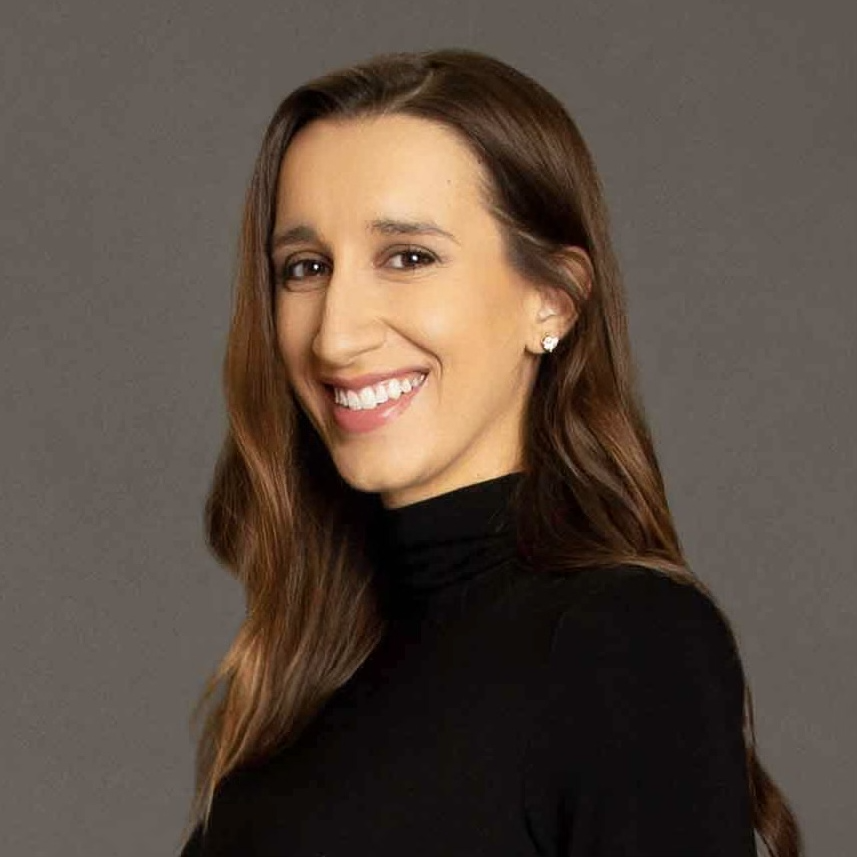
By Sasha Kalcheff-Korn, Executive Director, Realm of Caring Foundation
Cannabis policy is being pulled toward extremes again. New federal hemp restrictions scheduled to take effect in December could remove many full-spectrum CBD products from the market, disrupting access for patients who rely on them. Cannabis is on the ballot in two states, with one considering rolling back its previously won legalization. Colorado has 25 years of legal medical cannabis and 12 years of adult-use sales behind it. It’s time we used what we’ve learned.
One side of the cannabis debate talks like cannabis carries no risk at all. The other has decided that any risk proves legalization was a mistake. Neither one describes the actual experience of the patients, parents, and caregivers we work with every day.
Here’s a scenario we see constantly at Realm of Caring: a parent calls because their child is very sick. Maybe it’s untreatable seizures, severe pain, or a rare neurological condition, but it always means years of specialists, medications, ER visits, hospital stays, and families who have exhausted every option. By the time families find us, they aren’t casually curious about cannabis. They’re looking for something that actually helps.
These parents already understand risk better than most policymakers ever will. Every medical treatment carries some risk. The question these families need answered isn’t “could this be risky?” It’s “could this help my child?”
That doesn’t mean safety stops mattering. Patients deserve to know what’s in a product, whether it’s tested, how much to give, what it interacts with, and whether a physician can help them sort through it. What they don’t need is a policy debate that treats their interest in cannabinoid therapy as ignorance. These families have watched medications fail. They’ve weighed side effects against symptoms in doctors’ offices, over and over, for years. Considering another option isn’t recklessness. For many of them, it’s the only thing that’s given them hope.
That’s what worries me about the prohibitionist push gaining ground nationally, including in Massachusetts, where voters will decide this November whether to repeal the adult-use cannabis law they passed just a decade ago.
Some of the underlying concerns are real. Synthetic and synthetically-derived cannabinoids, impaired driving, unregulated products, gaps in mental health support, and inconsistent quality are all problems. States should keep addressing all of it. But taking risk seriously doesn’t require turning back the clock.
Prohibition doesn’t mean safety. It means less reliable information, less physician involvement, fewer product standards, and more uncertainty about what’s actually in the bottle. That’s not protection. It just pushes the risk somewhere you can’t see it.
Every day, people contact us with practical questions: how to read a certificate of analysis, the actual difference between THC and CBD, drug interactions, dosing, what to do before surgery, how to even raise this with a doctor who’s had zero training in the endocannabinoid system. Nobody is asking us to tell them cannabis is harmless, but they are asking for help making an informed decision. That should be the entire goal of public policy, too.
One of the biggest failures in this debate is treating radically different products and use cases as if they’re the same thing. A teenager vaping a high-potency concentrate, a 70-year-old taking a low-dose THC product for sleep, and child using a CBD-dominant tincture under a caregiver’s supervision are situations that don’t have the same risk. But all three get swallowed by the same blanket warnings about “marijuana.”
The more we learn about cannabinoids — dosage, potency, formulation, individual response — the more specific policy needs to get. Not less. More.
Colorado’s 25 years of experience has given us the tools to sharpen testing standards, improve education, write clearer labels, keep the unregulated market away from kids, and build regulations around risks we can actually point to. That’s the work. Repeal isn’t.
Rolling back legalization has real costs for people who’ve spent months, sometimes years, finding something that finally works. It cuts off access. It removes guidance they trust. It pushes them back into a market with none of the current safeguards.
Full repeal doesn’t fix youth access or impaired driving any better than the regulated market does today. It just strips away testing requirements, physician involvement, and consumer protections that patients and families have come to rely on — and hands the market back to people who answer to no one.
What cannabis policy needs, in Colorado, Massachusetts, and across our country, is better research, stronger product standards, more education for healthcare providers, and rules aimed at risks we can actually demonstrate. Almost every therapeutic decision comes down to a balance between benefit and harm. Risk isn’t a reason to shut the conversation down. It’s the reason to get better at having it.
We shouldn’t have to choose between complacency and prohibition — not in Colorado, and not in Massachusetts. Patients, parents, and caregivers deserve better than that choice.
Sasha Kalcheff-Korn is the executive director of Realm of Caring, a Colorado-based nonprofit that advocates for and connects people to cannabinoid therapy.
